
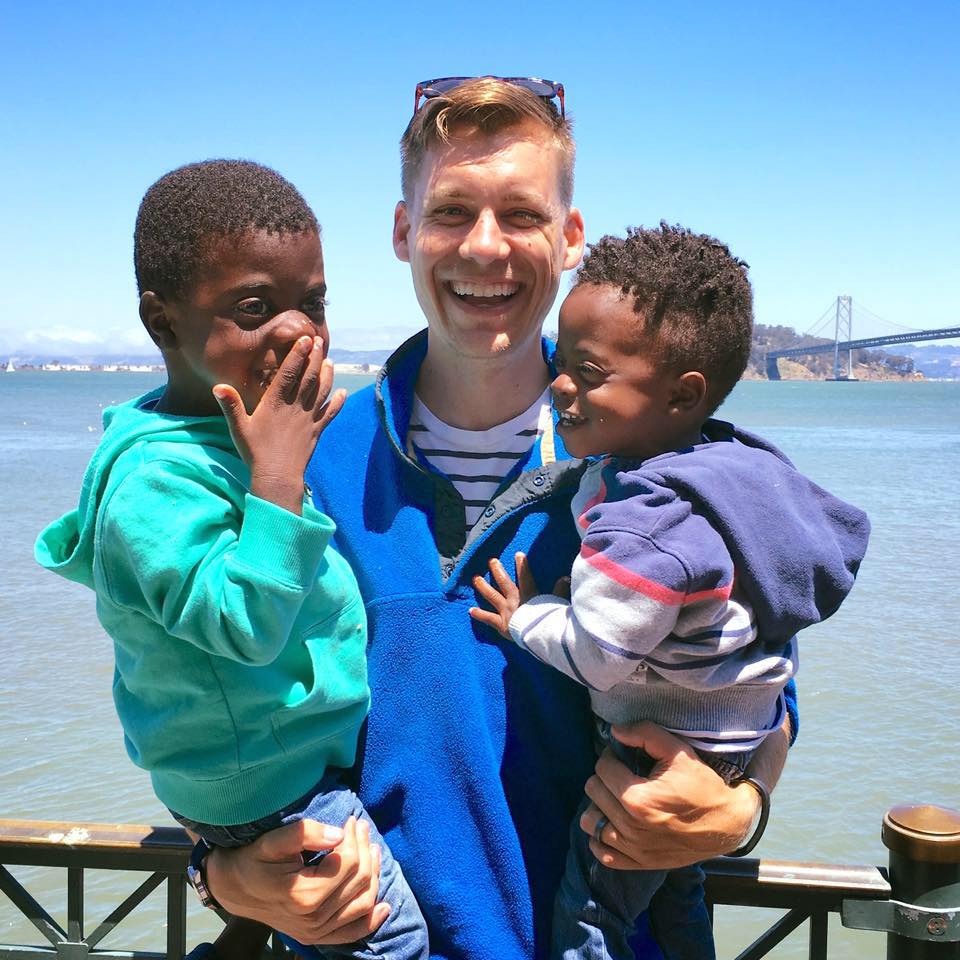
“Hi, I’m Sam, and I think I’m going to be your dad.”
I said those words leaning over a crib in a Birmingham, Alabama hospital on a Sunday afternoon in October 2013. In the room were two tiny newborn boys, hooked up to monitors, smaller than I expected. My wife and I had become foster parents after a long journey of saying yes to things that scared us. These were our first placement.
They were Black. We are White.
Thirteen months later, we adopted them as our sons — Marcus and Micah.
I didn’t know it in that moment, but everything changed the second I walked into that room. Not just my family, not just my schedule, not just my heart. My entire understanding of the world shifted.
Suddenly I was noticing things I had never noticed before. Which rooms felt easy for us, and which ones didn’t. Who was in those rooms — and who wasn’t. I became acutely, almost painfully aware of diversity — or the absence of it — in every space we entered.
That awareness didn’t leave me. It grew. It sent me back to school. It turned into years of research, interviews, case studies, and eventually a doctoral dissertation on what actually makes diverse, intercultural communities work — and what holds them back.
This is the first post in a series where I’ll be sharing what I found — and what it means for the organizations and leaders trying to build spaces where everyone genuinely belongs.
I’m glad you’re here.
What was the moment that first cracked open your own perspective on diversity and belonging? I’d love to hear it in the comments.


Leave a Reply