
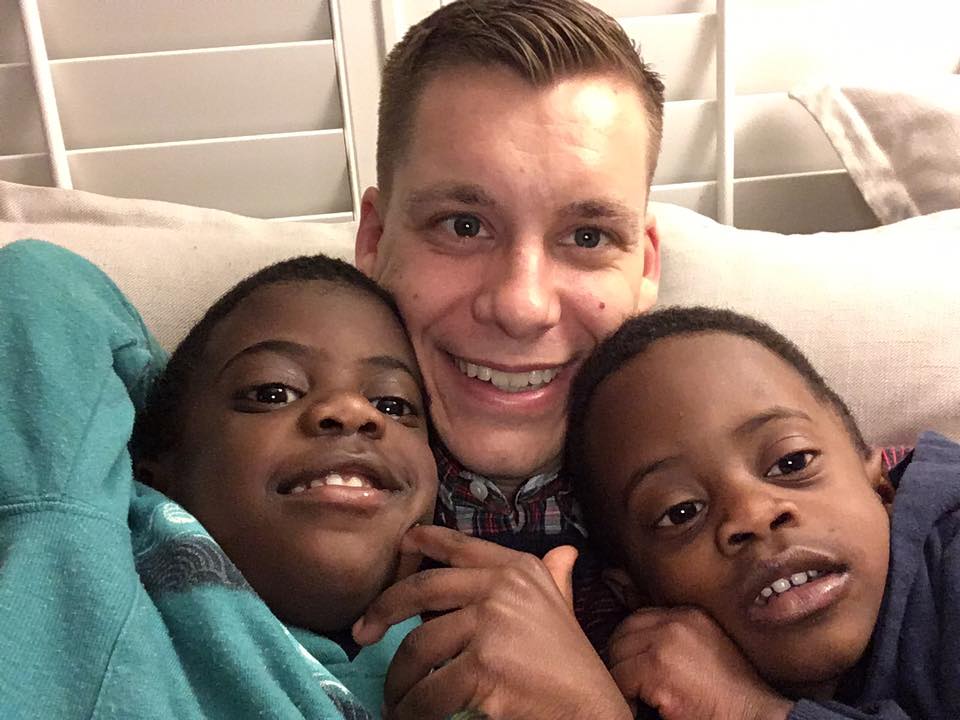
In October 2013, I walked into a hospital room in Birmingham, Alabama, leaned over a crib, and became a father to two Black boys. Marcus and Micah. And from that moment, I started seeing the world differently — noticing who was in every room, who wasn’t, and what that cost people who were always having to calculate whether there was space for them.
That awareness sent me back to school. Into research. Into years of interviews, case studies, and analysis trying to understand what makes diverse, intercultural communities actually work.
Here’s the short version of what I found.
The most effective inclusive leaders aren’t produced by programs. They’re formed by experience and sustained by genuine motivation. They lead with relationship before process. They develop themselves continuously — even when, especially when, no one is resourcing them to do it. And the communities they build come to reflect who they are, not just what policies they’ve put in place.
Cultural Intelligence — the ability to engage, lead, and build across difference — isn’t a personality trait. It’s a skill. It’s measurable. And it can be developed in any leader who has the motivation to grow.
But motivation alone isn’t enough. Leaders need development. Organizations need to invest in the people doing this work — not just the programs surrounding them.
A few weeks ago, my son asked me a question I haven’t stopped thinking about.
“Dad, do you think there will be anyone there that looks like me?”
That question is the reason I do this work. And it’s the standard I hold every organization up to.
Not: do you have a DEI initiative?
But: if my son walked into your organization tomorrow — would the answer be yes?
That’s the work. It’s hard. It’s ongoing. It doesn’t end with a series of LinkedIn posts.
But it starts with leaders who are willing to do it — and organizations willing to invest in them.
I’m ready to help with both.


Leave a Reply